
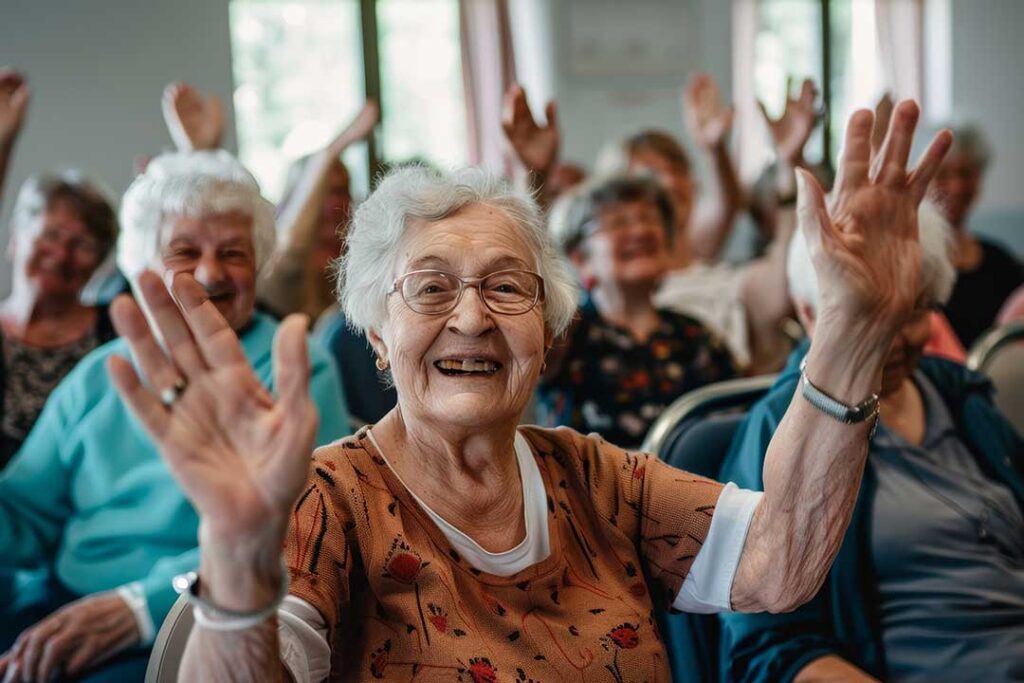
Living in assisted living does not mean giving up favorite hobbies. Games and pastimes can provide structure, companionship, mental stimulation, movement, and a sense of personal choice. In Lehighton, PA, residents may enjoy familiar activities indoors, seasonal hobbies connected to the outdoors, and group programs that make it easier to meet neighbors and maintain routines.
The most enjoyable activities are usually those that match a person’s interests, energy level, vision, hearing, mobility, and comfort with groups. A pastime does not need to be complicated or competitive to be meaningful.
What games are popular in assisted living?
Popular games include cards, bingo, dominoes, puzzles, trivia, word games, board games, and simple tabletop activities. Residents often prefer games that are familiar, easy to explain, and flexible enough for different ability levels.
Common choices include:
- Rummy, bridge, pinochle, or other familiar card games
- Bingo with large-print cards and clearly announced numbers
- Dominoes, checkers, chess, and matching games
- Crossword puzzles, word searches, and large-print brain teasers
- Trivia focused on music, history, local memories, or general knowledge
- Jigsaw puzzles with larger pieces and manageable designs
- Dice games that can be played individually or in small groups
- Cooperative games where participants work toward a shared goal
Games are most successful when rules can be adjusted without making residents feel singled out. A shorter round, larger cards, fewer pieces, or a partner who can read instructions may help someone participate comfortably.
Why do games matter in assisted living?
Games offer more than entertainment. They can help residents maintain social connections, practice familiar skills, and add variety to the day.
A regular game group may provide:
- Conversation and companionship
- A reason to leave the apartment or room
- Opportunities to make decisions and express preferences
- Gentle practice with counting, memory, language, or visual attention
- A predictable activity during afternoons or evenings
- A way for family members to spend time together during visits
Not every activity needs to be viewed as mental exercise. Residents should not feel pressured to perform or compete. Enjoyment, laughter, storytelling, and connection are valuable outcomes even when a person forgets the rules or chooses to watch rather than play.
Which pastimes work well for residents with memory loss?
Residents with memory loss may enjoy activities that rely on familiar motions, personal interests, music, or sensory experiences rather than complicated instructions. The best activity is often one that feels successful from the beginning.
Helpful options may include:
- Sorting buttons, cards, photographs, or large objects by color or type
- Folding towels or matching socks
- Looking through family albums and discussing familiar people or places
- Singing well-known songs
- Watering indoor plants or arranging simple flowers
- Completing familiar phrases, proverbs, or song lyrics
- Using simple puzzles with large pieces
- Decorating seasonal items with guidance
A resident may not remember the name of a game but can still enjoy handling the pieces, listening to others, or taking part in a repeated routine. Correcting mistakes repeatedly can create frustration. Calm encouragement and an emphasis on participation are usually more helpful than focusing on winning.
What are good activities for residents with limited mobility?
Limited mobility does not prevent meaningful recreation. Many games and hobbies can be adapted for seated participation at a table, in a common room, or beside a window.
Suitable options include card holders, large-print books, tabletop puzzles, trivia, music listening, seated balloon games, gentle crafts, and guided stretching. A lightweight game board or a raised playing surface may reduce bending and reaching.
For residents with arthritis or reduced hand strength, larger pieces and easy-grip materials can make a difference. If a person has difficulty seeing, high-contrast cards, strong lighting, and large-print instructions may improve comfort. Residents with hearing loss may benefit from written directions, face-to-face conversation, and reduced background noise.
Any activity involving movement should match the resident’s care plan and physical abilities. Staff or family members can help arrange a safe setup when balance, fatigue, or coordination is a concern.
Are crafts and creative hobbies useful pastimes?

Creative activities can support self-expression without requiring artistic experience. Painting, coloring, knitting, crocheting, simple woodworking projects, scrapbooking, seasonal decorating, and beadwork are common examples.
The activity can be modified in many ways:
- Use pre-cut shapes instead of requiring detailed cutting.
- Offer markers or thick-handled brushes for easier gripping.
- Provide a limited number of materials to reduce visual clutter.
- Use simple patterns rather than complicated instructions.
- Display finished work only with the resident’s permission.
- Allow residents to choose colors, music, or project themes.
Creative hobbies may also reconnect residents with earlier roles and interests. Someone who once cooked, gardened, sewed, repaired household items, or cared for children may appreciate an activity that reflects those experiences.
How can seasonal conditions affect recreation in Lehighton?
Seasonal weather can influence how often residents spend time outdoors. Cold winters, icy walkways, summer heat, and changing daylight may make indoor activities especially useful during parts of the year.
Indoor pastimes can include nature observation through windows, bird identification, seasonal craft projects, photo discussions, cooking demonstrations, and holiday-themed games. On comfortable days, residents may enjoy supervised walks, patio conversation, container gardening, or outdoor music.
Outdoor activities should account for shaded seating, hydration, footwear, temperature, and safe walking surfaces. A brief period outside can be worthwhile even when a full outing is not practical. During poor weather, bringing natural elements indoors—such as leaves, herbs, flowers, or bird sounds—can offer seasonal interest without exposing residents to unsafe conditions.
How can families choose activities for a loved one?
Families can begin by asking what the resident enjoyed before moving into assisted living. Past hobbies often provide better clues than general activity lists.
Useful questions include:
- Did the person prefer quiet hobbies or lively groups?
- Did they enjoy competition, cooperation, or simply watching?
- Were music, sports, gardening, cooking, reading, or crafts part of daily life?
- Do vision, hearing, memory, pain, or fatigue affect participation?
- Would the resident rather do an activity alone, with one person, or in a group?
- What time of day does the resident seem most alert?
A family visit does not need to center on a formal game. Looking through photographs, listening to familiar music, sorting recipes, or sharing a simple puzzle may be more comfortable. The goal is connection, not completing an activity perfectly.
What makes an activity comfortable and inclusive?
A welcoming activity gives residents choices and avoids treating everyone as though they has the same abilities. Clear instructions, adequate lighting, comfortable seating, manageable noise levels, and enough time can make participation easier.
Residents should be able to pass, take a break, change activities, or participate in a different role. Someone who does not want to play cards may enjoy keeping score, choosing music, or talking with the group.
The most useful pastime is often the one that fits naturally into the resident’s day. Familiar games, creative projects, conversation, music, and seasonal activities can help assisted living feel more personal while supporting independence, comfort, and community.
