
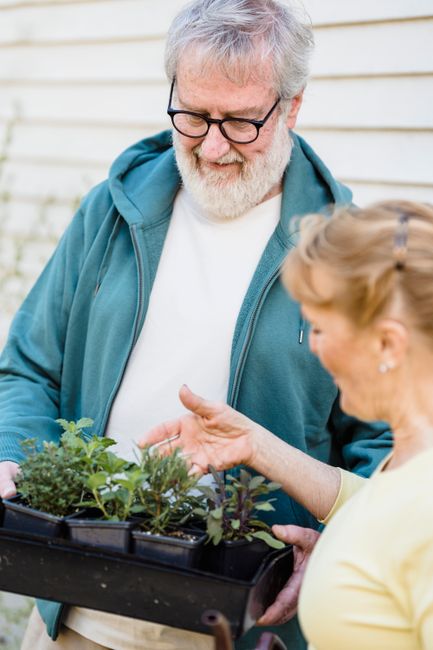
Lehighton, PA residents considering assisted living may have questions about how communities manage energy, water, waste, food, transportation, and indoor comfort. Eco-friendly practices are not limited to solar panels or new construction. In a well-planned setting, environmental responsibility is connected to resident safety, predictable operating costs, comfort, and practical daily routines.
What does eco-friendly assisted living actually mean?
Eco-friendly assisted living means reducing unnecessary use of energy, water, materials, and fuel while maintaining reliable care and a healthy living environment. The goal is not simply to make a building look “green.” It is to operate the community efficiently without compromising accessibility, cleanliness, emergency readiness, nutrition, or resident choice.
Common practices may include:
- Energy-efficient lighting and heating equipment
- Better insulation, window sealing, and temperature controls
- Water-saving fixtures and leak monitoring
- Recycling and careful disposal of medical or household waste
- Seasonal food planning and reduced kitchen waste
- Native or low-maintenance landscaping
- Durable furnishings that do not need frequent replacement
- Building designs that make natural light and fresh air easier to use safely
Environmental practices should support residents rather than create extra burdens. For example, a recycling system should be clearly labeled and managed by staff instead of expecting residents with mobility or memory challenges to sort complicated materials independently.
How can assisted living communities reduce energy use?
Heating, cooling, lighting, laundry, food preparation, and hot water make assisted living buildings more energy-intensive than many ordinary homes. Efficient equipment and thoughtful building management can reduce consumption while keeping indoor temperatures stable.
Modern communities may use LED lighting, occupancy sensors, programmable controls, and high-efficiency heating and cooling systems. These upgrades can be especially useful in a region with cold winters, warm summers, and changing temperatures during spring and fall. Sealing drafts around windows and doors also helps reduce uncomfortable cold spots without making rooms overly warm.
Energy conservation must be balanced with resident health. Older adults can be more vulnerable to cold stress and heat-related illness. A community should never reduce heating or air conditioning so aggressively that residents are uncomfortable or unsafe. Good practice includes monitoring indoor conditions, maintaining backup systems, and ensuring that essential equipment can continue operating during a power interruption.
Natural daylight can also reduce the need for artificial lighting during part of the day. Windows, skylights, and well-placed seating areas may improve the indoor atmosphere, but glare must be controlled. Excess sunlight can create fall hazards, increase room temperatures, or make it harder for someone with vision changes to move safely.
Why do water-saving measures matter in senior living?
Water conservation can lower waste without making bathing, cleaning, or hydration less convenient. Low-flow faucets and shower fixtures, dual-flush toilets, efficient laundry equipment, and prompt leak repairs are common examples.
Water-saving systems should be selected carefully. Fixtures need to provide enough flow for bathing and handwashing, and hot water must be available consistently. Temperature controls are also essential because older adults may have reduced sensitivity to heat and a greater risk of burns.
Landscaping can affect water use as well. Drought-tolerant plants, mulch, rain gardens, and drip irrigation may reduce the need for frequent watering. In a community that experiences snow, ice, and heavy seasonal rain, outdoor surfaces also need proper drainage and slip-resistant design. Environmental planning is useful only if walkways remain accessible throughout the year.
How are food and kitchen practices made more sustainable?
Dining is a major part of assisted living, so environmentally responsible food planning must also meet nutritional, cultural, medical, and personal needs. Reducing food waste can begin with accurate meal counts, flexible portion sizes, and careful tracking of which foods are regularly left uneaten.
Some communities use smaller default portions with additional servings available. This can reduce waste while allowing residents to choose how much they want. Menus may also make better use of seasonal ingredients and familiar foods that residents are more likely to enjoy.
Kitchen sustainability may involve energy-efficient appliances, preventive maintenance, reusable service items, and safe separation of food scraps where composting is practical. However, food safety remains the priority. Waste-reduction practices should never interfere with proper refrigeration, sanitation, allergen control, or temperature monitoring.
Residents and families may reasonably ask how uneaten food is handled, whether meal preferences are tracked, and whether special diets create additional packaging or waste. These questions help distinguish meaningful operational practices from broad environmental claims.
What happens to recycling, medications, and other waste?
Assisted living produces several types of waste, and not all of it belongs in a standard recycling bin. Paper, cardboard, metal containers, and certain plastics may be recyclable when they are clean and accepted by the applicable local system. Items contaminated with food, bodily fluids, or hazardous substances usually require different handling.
Medication disposal deserves particular care. Unused or expired medicines should not be poured down sinks or flushed unless specific instructions say otherwise. Communities generally need controlled procedures for medication storage and disposal, especially when prescriptions are managed by staff.
Disposable gloves, incontinence products, sharps, cleaning chemicals, and other care-related materials may have separate disposal requirements. A responsible waste program focuses on safe handling first, then reduction and recycling where appropriate.
Durable furnishings can also reduce waste. Repairable chairs, washable textiles, replaceable parts, and sturdy flooring may last longer than inexpensive items that must be discarded after a short period. Materials should still be selected for infection control, fall prevention, ease of cleaning, and comfort.
Can eco-friendly design improve resident comfort?
Yes. Environmental design can support comfort and daily independence when it is combined with accessibility. Good indoor air quality, low glare, quieter equipment, steady temperatures, and reduced drafts can make shared spaces easier to use.
Low-emission paints, adhesives, flooring, and furniture may help limit indoor pollutants. Regular ventilation-system maintenance is also important because filters and air-handling equipment affect dust, odors, and airborne particles.
Outdoor areas can be designed for safe access rather than appearance alone. Shaded seating, raised garden beds, smooth paths, handrails, and rest points may allow residents to spend time outside without excessive walking or uneven surfaces. Gardening activities can be adapted for people who use wheelchairs, walkers, or seated workstations.
Plants should be chosen with care. Some common ornamental plants can irritate the skin or be harmful if eaten. Outdoor planning should account for allergies, pests, snow removal, drainage, and visibility from indoor areas.
What should families ask about environmental practices?
Families do not need to be experts in building systems to ask useful questions. A few practical questions can reveal how a community approaches sustainability:
- How are heating, cooling, and indoor temperatures monitored?
- What is the process for handling power outages or extreme weather?
- Are recycling and waste procedures adapted for residents with mobility or memory limitations?
- How is food waste tracked and reduced?
- Are outdoor paths maintained for safe use during snow and icy conditions?
- Does the community use water-saving fixtures without reducing bathing access?
- How are cleaning products, medications, sharps, and other special wastes handled?
- Are residents involved in gardening, reuse, or conservation activities by choice?
A genuinely responsible approach should be specific. Statements such as “energy efficient” or “environmentally friendly” are less useful than clear explanations of what the community does, how systems are maintained, and how resident safety is protected.
Sustainable assisted living is ultimately a combination of building design, staff procedures, resident participation, and ongoing maintenance. In Lehighton, seasonal weather, heating demands, outdoor accessibility, and household recycling habits all shape what practical environmental responsibility looks like. The strongest programs treat conservation as part of dependable daily care rather than as a separate decorative feature.
